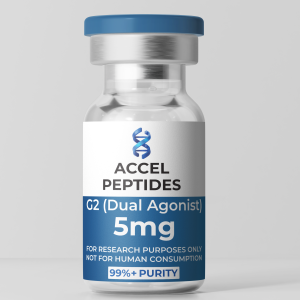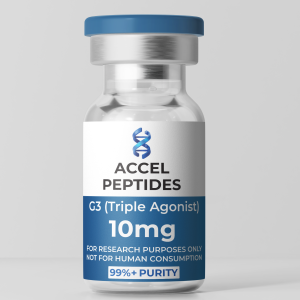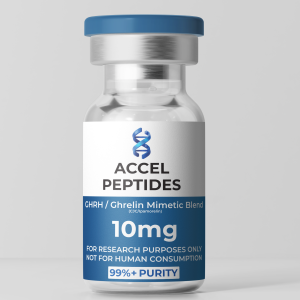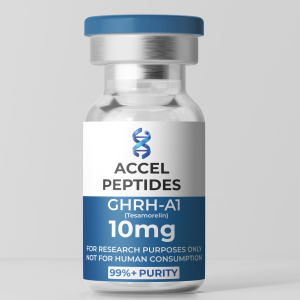
By accessing or using the AccelPeptides website, you confirm that you are 21 years of age or older, or that you have reached the legal age of majority in your jurisdiction. All materials and products available through this site are offered exclusively for research and laboratory purposes and are not intended for human or animal consumption.
If you do not meet this age requirement or do not agree to these terms, you must discontinue use of this website immediately.
By purchasing from AccelPeptides, you acknowledge and agree that all products are sold strictly for research use only. You represent and warrant that you are acquiring these products solely for legitimate laboratory, scientific, or analytical purposes and in full compliance with all applicable local, state, federal, and international laws and regulations.
You further understand and agree that AccelPeptides products are not drugs, foods, dietary supplements, cosmetics, or medical devices, and are not intended for use in the diagnosis, treatment, cure, mitigation, or prevention of any disease or medical condition.
You accept full responsibility for the proper handling, storage, use, transfer, and disposal of all products purchased from AccelPeptides.
To the fullest extent permitted by law, AccelPeptides, its owners, officers, employees, partners, and affiliates shall not be held liable for any direct or indirect damages, losses, or consequences arising from the use, misuse, handling, storage, resale, or disposition of any product after delivery.
All responsibility for compliance and lawful use rests solely with the purchaser.
Your access is restricted because of your age.