


Sharpen your mind and accelerate cognitive performance with Accel Peptides.

Accel Peptides

Advancing Hair Growth and Scalp Repair through Research-Grade Peptides.

Follicle Neogenesis Support
Scalp Circulation Research
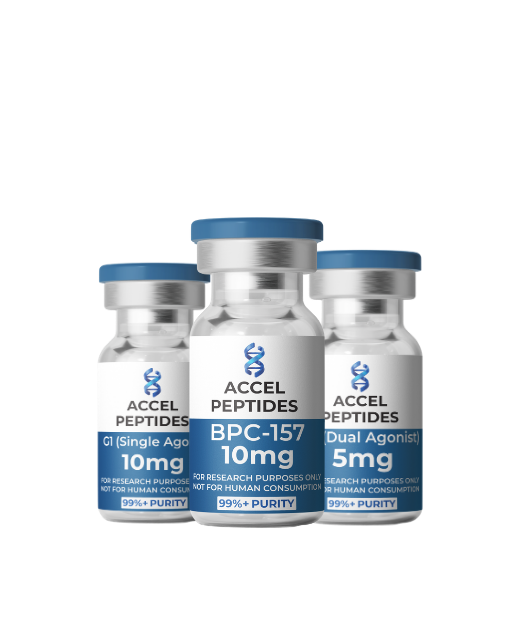
Hair Repair Peptides visualization
DHT Modulation Studies
Tissue Regeneration Axis

Technical Research Comparison Matrix

Peptide Specifications Mechanism of Action Research Objective
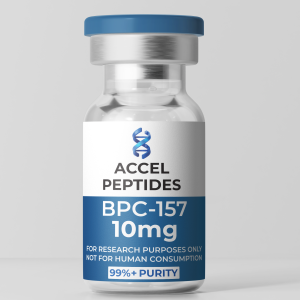
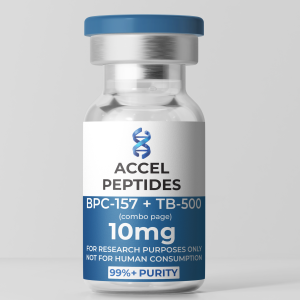
BPC-157Accelerated Wound Healing AxisImprove density and texture metrics
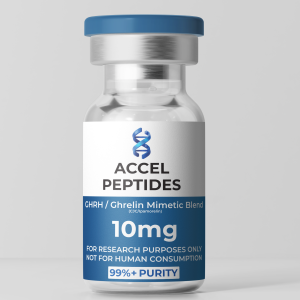
CJC-1295 / IpamorelinSynergistic GH Secretagogue AxisHair thickening and shedding reduction
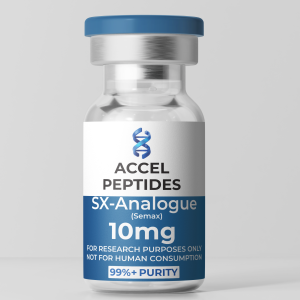
SX-Analogue (Semax)Elevated Melanocortin SignalingScalp health optimization studies
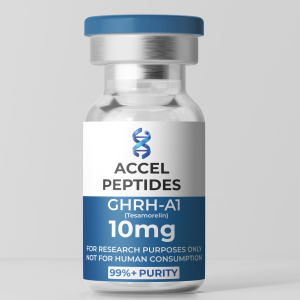
Tesamorelin (A1-Analogue)Growth Hormone Releasing Factor AnalogAdvanced growth optimization

Accel Research Catalogs

Ready to build muscle, enhance performance, or manage weight? Explore all our peptide categories and unlock a world of research possibilities.

Frequently Asked Questions

Technical insights for Hair & Scalp research protocols.

What are peptides and how do they assist with hair repair research?
Peptides are short chains of amino acids that penetrate the scalp to promote follicle health. In research, they nourish follicles and improve blood circulation, helping scientists understand their potential in treating hair loss and improving quality.
Are peptides safe for use in hair repair research?
Generally, peptides are considered stable for research settings when used as directed. It is essential to follow established experimental protocols and screen for potential localized skin irritation or allergic reactions in subjects.
What types of hair issues are typically researched?
Research primarily focuses on follicle miniaturization (thinning hair), hair loss (alopecia), weak or brittle hair shafts, and overall scalp inflammation that prevents healthy growth.
When can research studies expect to see results?
Visual changes in hair texture or strength can often be documented within a few weeks. However, significant follicle growth and regeneration data usually require 3 to 6 months of consistent observation in experimental conditions.
Who should be excluded from these research studies?
Individuals with known allergies to amino acid sequences, those undergoing intensive medical treatments like chemotherapy, and pregnant or breastfeeding women should be excluded from studies involving these compounds.