


Accelerate your muscle-building journey with our high-purity peptide range.

Key Types for Category Research

BPC-157 & TB-500

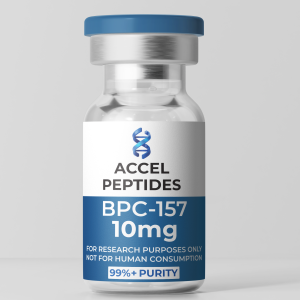
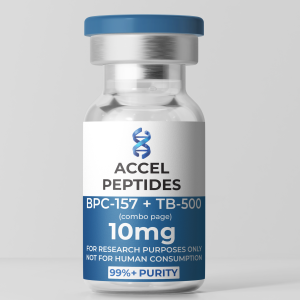
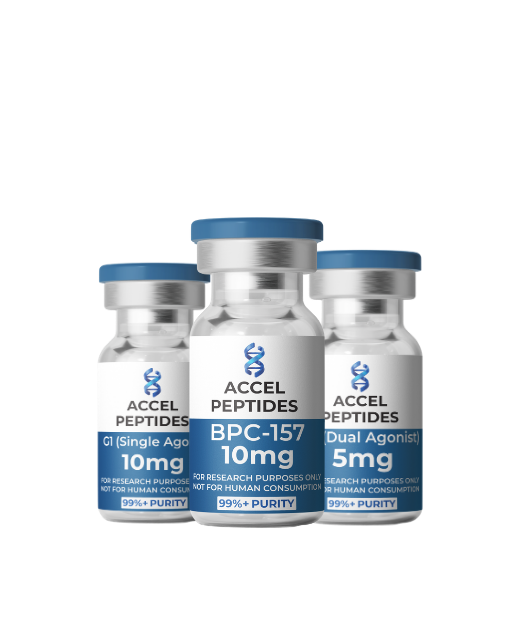
BPC-157 (Body Protection Compound) is noted for its significant regenerative properties, accelerating the repair of damaged muscle tissue, tendons, and ligaments. When researched alongside Thymosin Beta 4 (TB-500), studies focus on synergistic tissue regeneration and satellite cell activation.

CJC-1295 & Ipamorelin

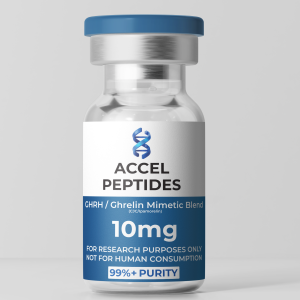
These growth hormone-releasing peptides (GHRPs) function synergistically to enhance the release of human growth hormone (HGH) and IGF-1. Research focuses on sustained HGH elevation with a prolonged half-life, supporting muscle development while minimizing cortisol elevation.

Tesamorelin

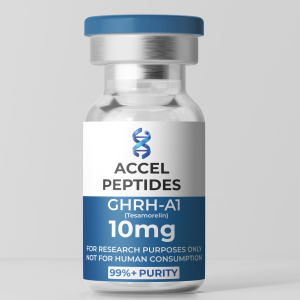
This peptide stimulates the pituitary gland directly. Research indicates its potential to reduce visceral abdominal fat, improve body composition, and facilitate collagen synthesis for enhanced tissue health and skin elasticity.

Research Benefits & Applications

  • Muscle Development: Modulation of HGH and IGF-1 levels for hypertrophy studies.
  • Regenerative Repair: Accelerated healing of muscle, tendon, and ligament sequences.
  • Inflammation Reduction: Potential inhibition of inflammatory pathways and reduction of exercise-induced soreness.
Accel Peptides Research

Compound Selection Matrix

Peptide Mechanism of Action Research Application
BPC-157Tissue Regeneration AxisLigament & Tendon Repair
CJC/IpamorelinGH Secretagogue SynergyLean Mass & Metabolic Research
TesamorelinGHRH AnalogVisceral Fat & Body Composition

Safety Profiles & Protocols

Proper research dosing and monitoring for injection site reactions are crucial. Researchers should adhere to sterile procedures and rotation protocols to maintain findings' integrity.

Drive Your Muscle Development Research Forward with Accel Peptides.

Research FAQ

01 What are peptides for muscle development?

Peptides are short chains of amino acids designed to stimulate natural signaling pathways in the body. In research, they are studied for their ability to trigger growth hormone release, enhance protein synthesis, and accelerate the repair of damaged musculoskeletal tissues.

02 How do CJC-1295 and Ipamorelin function together?

These compounds function synergistically as Growth Hormone Releasing Peptides (GHRPs). CJC-1295 provides a sustained elevation of HGH due to its prolonged half-life, while Ipamorelin selectively triggers growth hormone release with minimal impact on cortisol or prolactin levels.

03 What is the role of BPC-157 in tissue repair?

BPC-157 is a regenerative peptide derived from gastric proteins. Research focuses on its ability to promote the "angiogenic" repair of tendons, ligaments, and muscle fibers, significantly shortening the timeline required for recovery after induced physiological stress.

04 Are these peptides studied for fat loss as well?

Yes. Specifically, Tesamorelin is a GHRH analog frequently researched for its ability to target visceral abdominal fat. By stimulating the pituitary gland, it helps researchers observe changes in body composition and metabolic health.

05 What is the recommended timeline for observing results?

In a research-focused regimen, primary metabolic indicators can often be observed within a few weeks. However, significant structural changes in muscle development and tissue repair generally require several months of consistent data collection and adherence to protocols.