


Key Peptides for Mood & Sleep Research
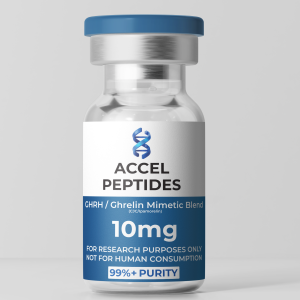
GHRH / Ghrelin Mimetic Blend (CJC/Ipamorelin)This blend is researched for its ability to stimulate the pituitary gland to naturally produce more growth hormone. In sleep research, this synergy is studied for its impact on deeper REM cycles, increased protein synthesis, and enhanced physical recovery during rest.
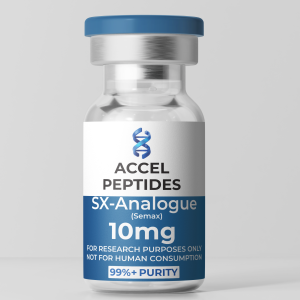
SX-Analogue (Semax)Semax is recognized for its neuroprotective and nootropic properties. Research focuses on its ability to modulate the brain's regulatory systems, potentially improving mood, memory, and concentration while decreasing stress-induced anxiety.
Research Benefits & Applications
- Sleep Architecture: Investigating the regulation of circadian rhythms and improved sleep quality via growth hormone pathways.
- Cognitive Enhancement: Studying neurorestorative effects that boost attention and sensory awareness.
- Stress Resilience: Researching the peptide's ability to provide neuroprotection during periods of severe physiological stress.
Technical Selection Matrix
| Peptide | Mechanism of Action | Primary Research Goal |
|---|---|---|
| CJC-1295 / Ipamorelin | GH Secretagogue Synergy | Sleep Quality & Recovery |
| SX-Analogue (Semax) | Nootropic/Neuroprotective | Mood & Cognitive Clarity |
Safety Profiles & Protocols
Proper research dosing is essential to avoid potential side effects such as headaches or mild dizziness. Researchers should monitor subjects for any signs of gastrointestinal discomfort or injection site sensitivity during the protocol.