


Key Peptides for Immunology Research
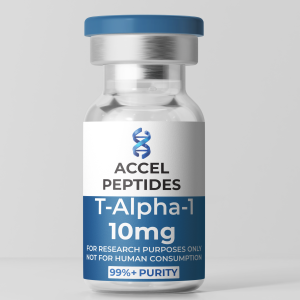
T-Alpha-1 (Thymosin Alpha-1)T-Alpha-1 is a primary subject in immunotherapy research, recognized for its ability to regulate and restore immune function. It is studied for its role in activating T cells and supporting antibody production, making it a cornerstone for research into natural defenses against pathogens.
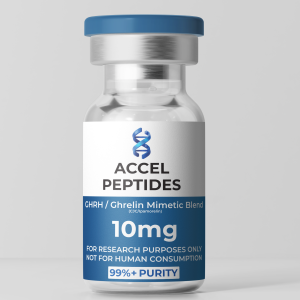
CJC-1295 / Ipamorelin BlendThis combination stimulates growth hormone production via the pituitary gland. Research focuses on how elevated growth hormone levels promote the maturation and activity of immune cells, potentially improving immune surveillance in test subjects.
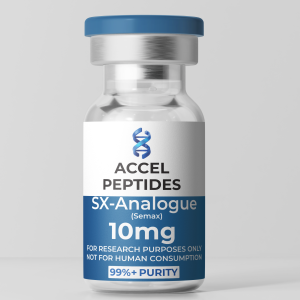
SX-Analogue (Semax)In the context of immunology, Semax is researched for its potent immunomodulatory effects. It is observed to influence the production of signaling molecules like cytokines and interferons, helping researchers understand resilience against stress-related immune suppression.
Research Benefits & Applications
- T-Cell Activation: Investigating the stimulation of killer T cells for enhanced immune surveillance.
- Growth Factor Synergy: Studying the maturation of natural killer cells through growth hormone pathways.
- Signal Modulation: Analyzing the production of interferons to increase resistance to experimental infection.
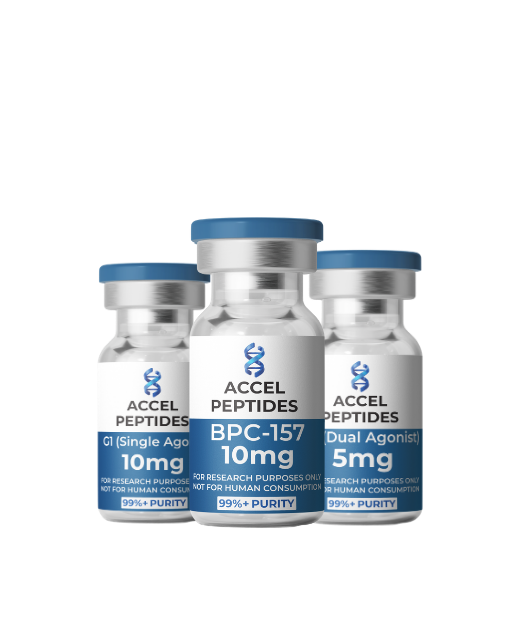
Immunology Selection Matrix
| Peptide | Mechanism of Action | Primary Research Goal |
|---|---|---|
| T-Alpha-1 (10mg) | T-Cell Modulation | Immune Restoration & Defense |
| CJC / Ipamorelin | GH Secretagogue | Cellular Maturation & Growth |
| SX-Analogue (Semax) | Cytokine Regulation | Stress-Response & Resilience |
Safety Profiles & Protocols
Research protocols should include rigorous monitoring for cardiovascular parameters and potential allergic responses. Accurate dosing in animal models is crucial for maintaining the integrity of immunological data.