


Key Compounds for Focus & Clarity Research
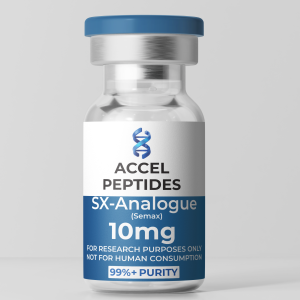
SX-Analogue (Semax)Semax is a synthetic peptide known for enhancing cognitive function, particularly in attention, memory, and learning. It modulates neurotransmitters like dopamine and serotonin, which are vital for mental clarity. Research explores its potential neuroprotective effects and applications in managing cognitive decline.
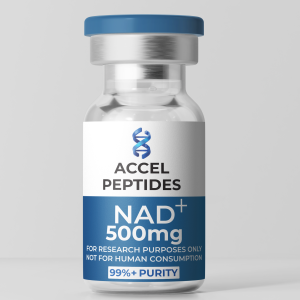
NAD⁺ (Nicotinamide Adenine Dinucleotide)A crucial coenzyme present in all living cells, NAD⁺ is essential for energy production and cellular function. Research indicates that boosting NAD⁺ levels can support brain health, regulate DNA repair through sirtuins, and potentially improve concentration and mental acuity.
Research Benefits & Applications
- Cognitive Optimization: Studying neurotransmitter activity to enhance memory formation and recall.
- Neuroprotection: Investigating the stimulation of neurotrophic factors essential for neuron survival and development.
- Cellular Energy: Researching the role of NAD⁺ in alleviating fatigue and supporting overall metabolism.
Technical Selection Matrix
| Peptide/Coenzyme | Mechanism of Action | Primary Research Goal |
|---|---|---|
| SX-Analogue (Semax) | Neurotransmitter Modulation | Attention & Mental Clarity |
| NAD⁺ (500mg) | Sirtuin Regulation & Energy | Brain Health & Longevity |
Safety Profiles & Protocols
Researchers should monitor for mild side effects such as nausea or injection site reactions. Consistent observation is recommended to evaluate the long-term impact on cellular energy and cognitive flexibility.